Roofs Built for Decades of Commercial Use
Commercial roofing in Freeport for flat or low-slope buildings where water pooling and membrane failure are recurring concerns
TLC Contracting Group installs commercial roofing systems for warehouses, retail buildings, and multi-unit properties across Freeport and the surrounding region. Unlike residential pitched roofs, commercial structures typically use low-slope or flat systems that require different drainage planning, membrane types, and inspection schedules. You're dealing with larger square footage, more penetrations from HVAC equipment, and greater risk of ponding water that accelerates material breakdown.
The service involves selecting membrane materials suited to your building's use—TPO, EPDM, or modified bitumen—and designing drainage that prevents standing water after storms. In climates with freeze-thaw cycles like those common in northern Illinois, trapped moisture expands and contracts, creating splits in the membrane and leaks that may not show up directly below the damage point. Proper installation includes base layer preparation, seam welding or adhesive application depending on the system, and flashing around all roof-mounted equipment.
Schedule a commercial property assessment to evaluate current roof condition and projected replacement timing.
What Proper Commercial Installation Prevents Long-Term
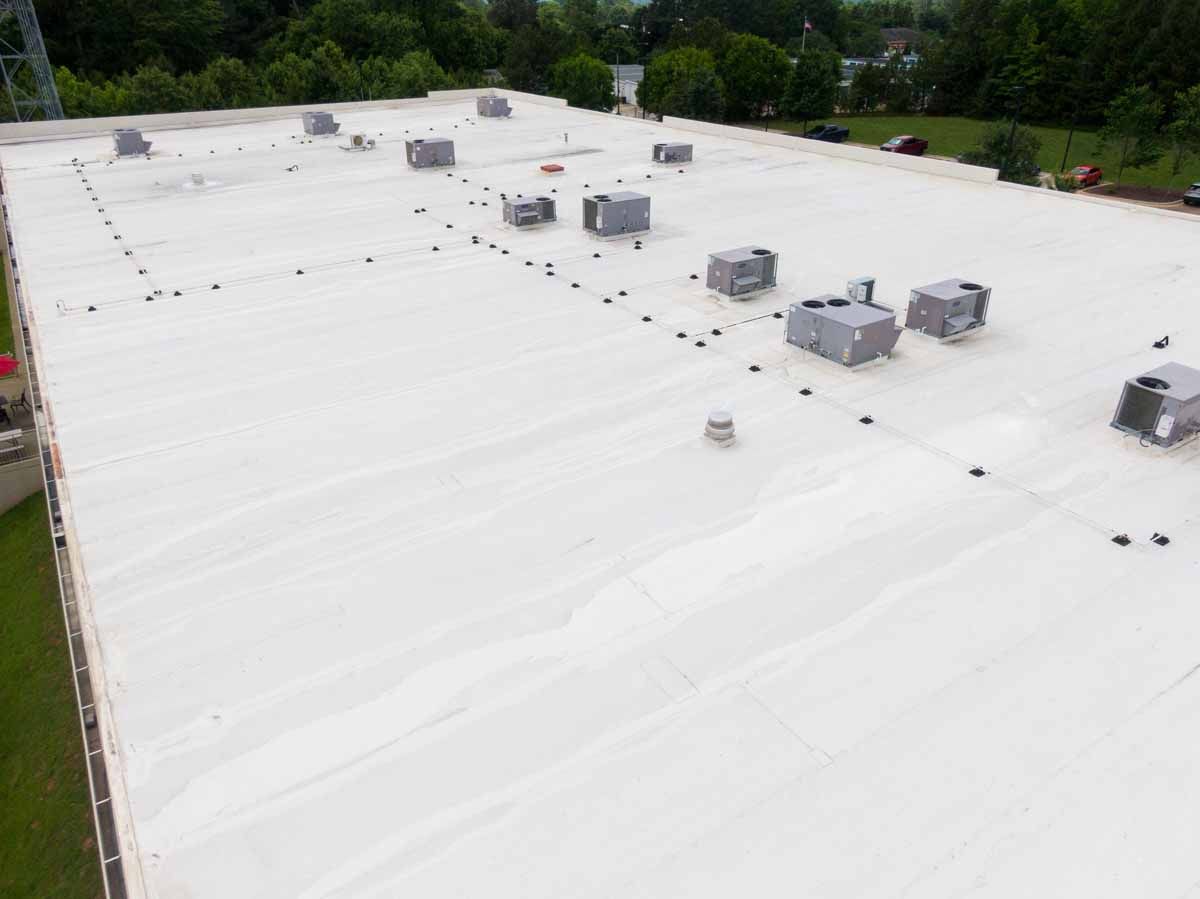
Your building's roof handles thermal expansion differently than residential systems due to the size of the surface area and the lack of attic ventilation in most commercial designs. Membranes expand in summer heat and contract in winter cold, and seams that aren't properly welded or adhered will pull apart over time. TLC Contracting Group uses manufacturers' specifications for fastener spacing, seam overlap, and edge termination to prevent wind uplift and moisture infiltration at the most vulnerable points.
After installation, you'll notice water clears the roof quickly after rain rather than pooling in low spots, and interior inspections won't reveal water stains on ceilings or along exterior walls where flashing meets the roofline. Equipment mounted on the roof—HVAC units, exhaust fans, satellite dishes—will have sealed curbs and flashing that redirect water away from the penetration rather than channeling it into the building.
Maintenance plans include biannual inspections to catch small issues before they require full membrane replacement, and these scheduled checkpoints often reduce operating costs by extending the functional life of the system by several years. Not all commercial roofing includes maintenance as part of the initial contract, so clarifying what's covered after installation prevents unexpected expenses when minor repairs are needed.
Questions Before Starting Your Project
Commercial property managers and business owners in Freeport often need clarity on timelines, disruption, and what changes after a new roof is installed.
- What determines which membrane type works best for a flat commercial roof? Your building's use, the amount of foot traffic for maintenance access, and whether the roof will support additional equipment all influence material selection—TPO offers heat reflection and energy efficiency, while EPDM handles ponding water better in areas with poor drainage.
- How does installation avoid disrupting daily business operations? Most commercial roofing happens in phases, with work scheduled around your operating hours and sections completed in sequence so the building remains protected and accessible throughout the project.
- What causes commercial roofs to fail faster than expected? Ponding water that doesn't drain within 48 hours after rain breaks down membranes through constant UV exposure and freeze-thaw cycles, and inadequate fastener spacing allows wind to lift sections during storms.
- When should a business schedule roof replacement rather than continuing repairs? If more than 30 percent of the membrane shows cracking, blistering, or separated seams, the cost of ongoing repairs typically exceeds the value of a full replacement that resets the warranty and eliminates recurring leak risks.
- Why do commercial roofs require more frequent inspections than residential roofs? HVAC equipment vibration, higher foot traffic for maintenance, and larger surface areas with more seams create more failure points that benefit from early detection before leaks reach interior spaces.
TLC Contracting Group works with property managers and business owners throughout Freeport to plan commercial roofing projects that meet timelines and budget requirements. Request a project consultation to review your building's current system and discuss material options suited to your operational needs.