
Immediate Protection When Storms Strike
Emergency roofing services in Freeport for properties with active leaks, severe wind damage, or structural exposure requiring same-day response
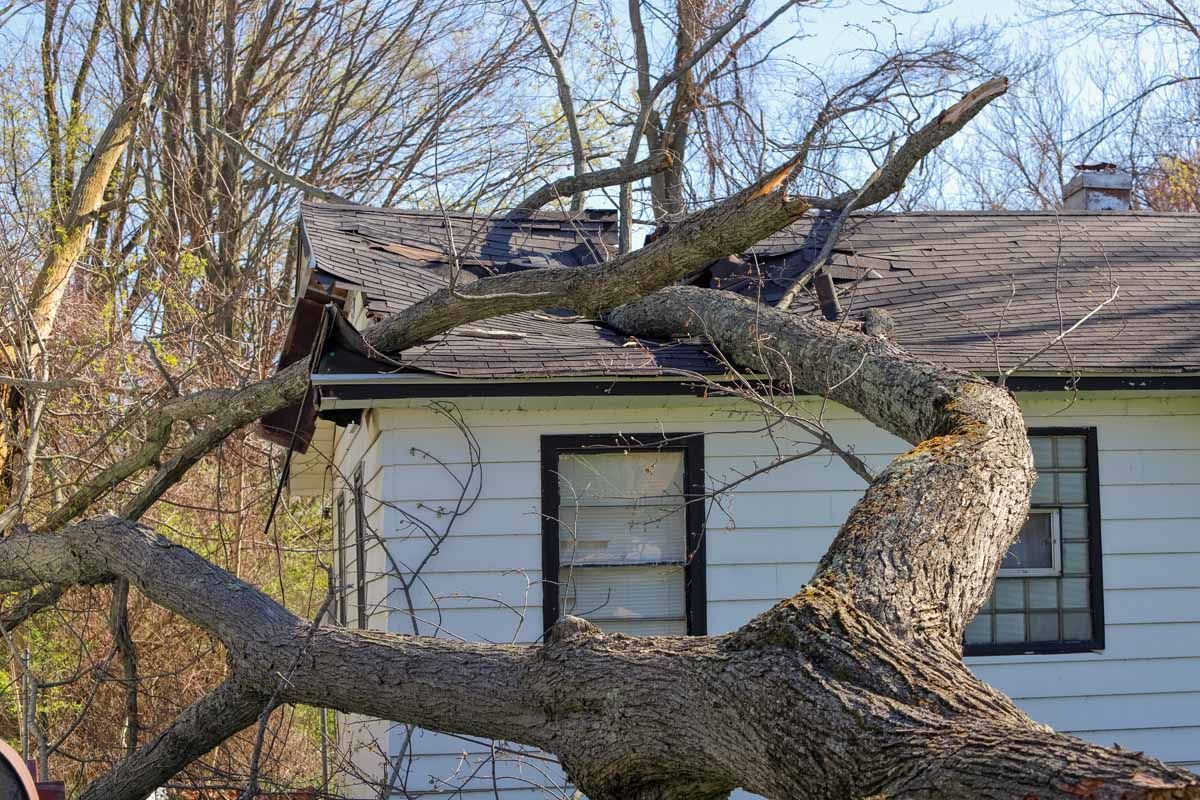
Severe thunderstorms with straight-line winds above 60 miles per hour can strip shingles from large roof sections in minutes, leaving sheathing exposed to rain that follows immediately behind the wind event. TLC Contracting Group provides emergency response for residential and commercial properties in Freeport facing urgent roofing damage, including temporary protection such as tarping to prevent further water intrusion while permanent repairs are planned. When a storm removes roofing material or damages flashing, every hour of exposure allows more water into the building envelope, saturating insulation, damaging ceilings, and creating conditions where mold begins colonizing within two days.
Emergency service prioritizes stabilization—covering exposed areas with tarps anchored securely enough to withstand additional weather, documenting damage for insurance purposes, and assessing whether structural components like rafters or sheathing have been compromised. Once the property is protected, the next steps involve coordinating with insurance adjusters, scheduling permanent repairs, and in some cases arranging temporary relocation if the damage affects habitability. Northern Illinois spring and summer storms often produce hail larger than one inch in diameter, which creates impact fractures across shingles that may not leak immediately but will fail during the next freeze-thaw cycle.
Contact us immediately if your property has sustained storm damage that requires urgent protection or stabilization.
What Emergency Response Prevents
Rapid tarping and temporary sealing stop the cascade of damage that occurs when water enters a building's interior spaces, which often costs more to remediate than the original roof damage itself. Water saturates insulation, reducing its thermal performance even after it dries, and flows into wall cavities where it damages electrical systems and creates hidden mold growth that requires invasive remediation. Tarping within hours of the storm event contains the damage to the roof structure and prevents it from spreading to finished interior spaces.
After emergency protection is in place, you'll see that rain no longer enters the building, and existing water intrusion stops spreading across ceilings or down walls. The tarp remains secure through additional weather events, giving you time to work with insurance, obtain repair estimates, and schedule permanent work without additional damage accumulating. You won't face the compounding urgency of managing ongoing leaks while trying to coordinate contractors and adjusters.
Insurance claims require documentation of both the initial damage and the steps taken to prevent further loss, and most policies mandate reasonable efforts to protect the property after a covered event. Delaying temporary protection can result in claim denial for secondary damage that occurred after the storm, even if the initial damage was clearly covered. Photographing the damage before tarping and keeping records of when protection was installed supports the claim process.
Questions During Emergency Situations
Property owners in Freeport dealing with sudden roof damage need immediate answers about next steps, insurance, and what emergency service includes.
- What should be done immediately after discovering major roof damage from a storm? Move belongings away from active leaks, place containers to catch dripping water, and contact an emergency roofing service to tarp exposed areas before the next rain event causes additional interior damage.
- How does tarping protect a damaged roof until permanent repairs can be scheduled? Heavy-duty tarps anchored with sandbags or fastened to undamaged roof sections create a temporary waterproof barrier that sheds rain and prevents wind from lifting the covering during subsequent storms.
- What documentation is needed for insurance claims after emergency roof damage? Photograph the damage from multiple angles before any temporary covering is applied, save dated weather reports showing the storm event, and keep invoices for emergency services and temporary protection.
- When does roof damage require temporary relocation rather than just tarping? If structural components like rafters are compromised, if extensive water has entered living spaces creating electrical hazards, or if the damage affects a large percentage of the roof where tarping can't provide adequate protection, temporary relocation may be necessary for safety.
- Why do insurance adjusters need to inspect damage quickly after a storm? Adjusters document the initial damage to determine coverage and prevent disputes about whether subsequent deterioration resulted from the covered event or from delayed mitigation, which most policies exclude from coverage.
TLC Contracting Group responds to emergency roofing situations across Freeport with priority scheduling for properties facing active damage or immediate weather threats. Call our emergency line to request same-day service for tarping, damage assessment, and coordination with insurance adjusters to begin the recovery process.