
Drainage Systems That Actually Protect Foundations
Gutters in Freeport, Illinois for preventing water damage to roofing, siding, and structural foundations
Gutters fail when hangers pull loose under ice load, seams separate from thermal expansion, or downspouts clog and cause overflow that saturates soil against foundation walls. TLC Contracting Group installs and repairs gutter systems designed for proper water drainage, preventing the cascading damage that starts with roof edge rot and ends with basement seepage or cracked footings. Both residential and commercial properties in Freeport benefit from systems sized correctly for roof area and positioned to handle the region's heavy spring rains and winter freeze-thaw cycles.
The work involves removing failed sections, installing new gutters with secure hangers spaced to support weight during storms, and ensuring downspouts discharge far enough from foundations to prevent pooling. Upgrades often happen alongside roofing projects when fascia replacement provides an opportunity to attach new gutters to sound substrate rather than boards weakened by years of overflow exposure.
Request an estimate for gutter installation or repair to address drainage problems before water damages structural components.
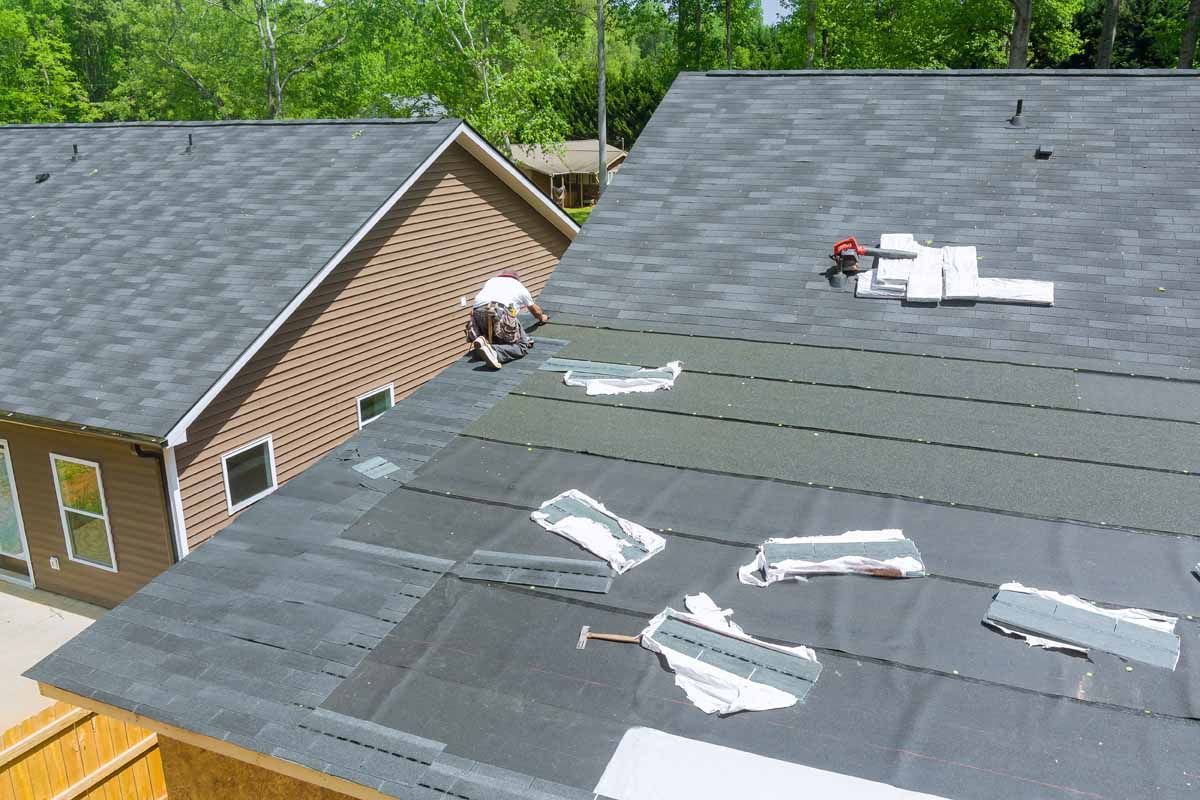
How Gutters Address Foundation and Siding Risks
Installation begins with measuring roof pitch and square footage to determine gutter size and downspout placement, then securing hangers to fascia at intervals that prevent sagging between supports. Corners and end caps get sealed to stop leaks, and downspouts extend with splash blocks or underground drains that move water away from the building perimeter.
Once functioning correctly, gutters stop water from sheeting off roof edges onto siding, prevent soil erosion along foundations, and eliminate the freeze-thaw cycles that occur when overflow saturates fascia boards and then refreezes overnight. You notice that basement walls stay dry during storms, landscaping near the house no longer washes out, and exterior paint lasts longer without water staining or mildew growth at the roofline.
Gutter systems require periodic cleaning to maintain flow, especially in areas with mature trees where leaves and debris accumulate in valleys and corners. Properly installed gutters include accessible cleanout points and enough slope to move standing water toward downspouts rather than letting it pool and rust through seams.
Answers to Frequent Service Questions
Homeowners and property managers often ask about sizing, material choices, and timing when planning gutter work in Freeport.
- What determines the right gutter size for a building? Roof area, pitch, and regional rainfall intensity dictate capacity—steeper roofs and larger square footage require wider gutters or additional downspouts to handle peak flow without overflowing during heavy storms common to Illinois.
- How does gutter installation prevent foundation problems? By channeling roof runoff away from the building perimeter, gutters stop soil saturation that causes settling, prevent hydrostatic pressure against basement walls, and eliminate erosion patterns that undermine footings over time.
- When should gutters be replaced instead of repaired? If seams leak in multiple locations, hangers pull loose from rotted fascia, or sections sag beyond releveling, replacement ensures the system performs correctly rather than repeatedly patching a structure that's reached the end of its functional lifespan.
- Why upgrade gutters during roofing projects? Roofing work exposes fascia and provides access to replace damaged boards, creating an ideal opportunity to install new gutters on sound substrate and avoid the inefficiency of scheduling separate projects weeks apart.
- What maintenance keeps gutters working long-term? Clearing debris twice yearly—spring and fall—prevents clogs, while annual inspections check for loose hangers, separated seams, and downspout blockages that reduce flow and cause overflow before you notice interior damage.
TLC Contracting Group installs and repairs gutter systems that protect your property from water damage and ensure long-lasting drainage performance. Set up a consultation to review your current system and discuss upgrade or repair options.