
Update Layouts Without Structural Compromise
Interior remodeling in Freeport for homeowners improving functionality in kitchens, bathrooms, and living spaces
Remodeling projects range from replacing finishes and fixtures in a single room to reconfiguring entire floor plans by removing non-load-bearing walls and relocating plumbing or electrical systems. TLC Contracting Group handles interior updates across this spectrum, coordinating work to minimize the time that kitchens, bathrooms, or other essential spaces remain out of service. In older Freeport homes, remodeling frequently reveals outdated wiring, undersized plumbing supply lines, or insulation voids that are addressed during the renovation to bring systems up to current performance standards.
The process begins with identifying which walls are load-bearing and whether planned layout changes require structural support modifications such as installing beams or adding posts. Plumbing relocations involve rerouting supply and drain lines, which may require opening walls, ceilings, or floors depending on where fixtures are moving. Electrical work includes adding circuits for new appliances, relocating outlets and switches to match the updated layout, and upgrading panels if existing capacity is insufficient for added loads.
Contact the office to arrange a remodeling consultation and discuss layout changes suited to your goals.
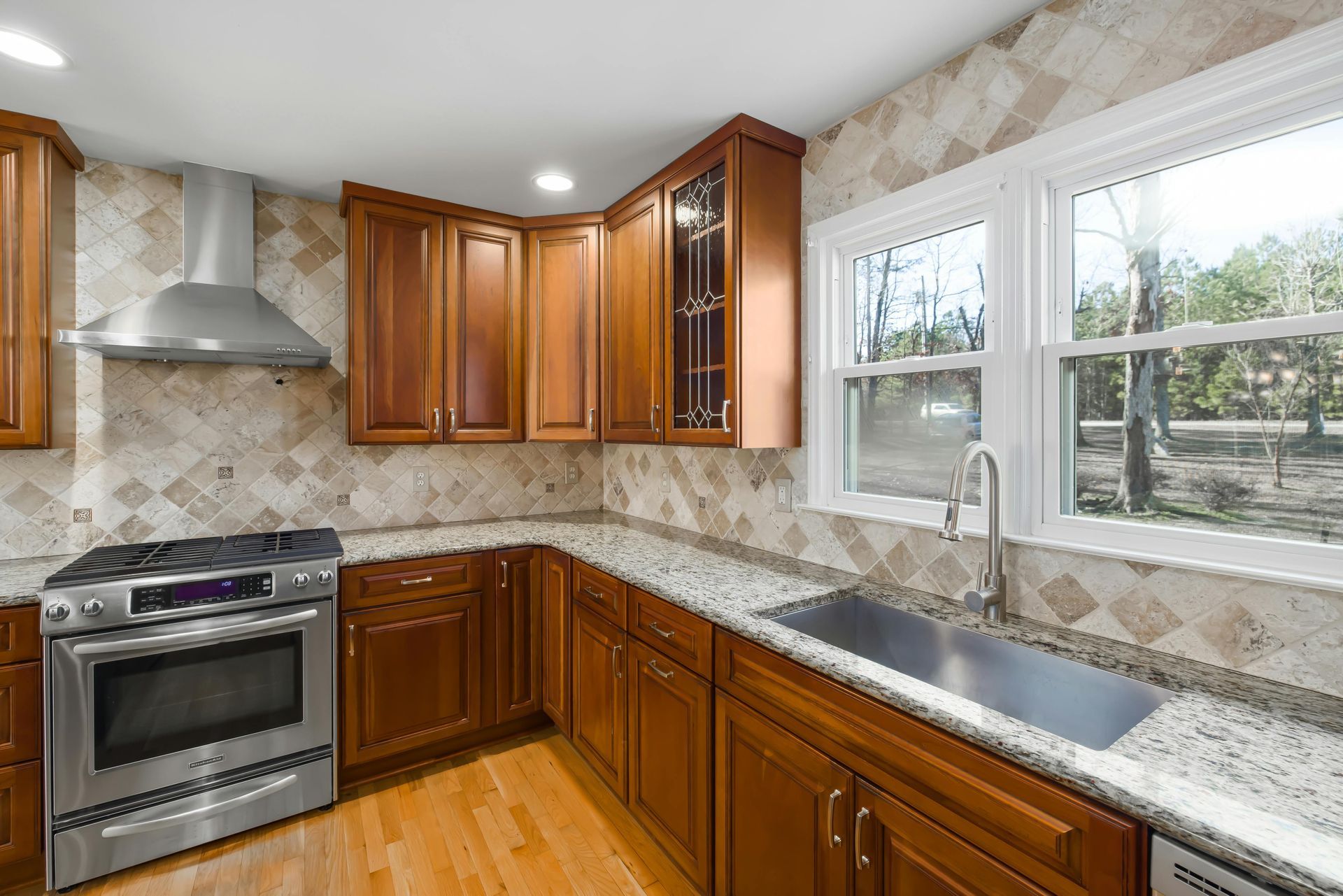
What Changes After Interior Work Completes
Completed remodeling projects provide layouts that improve traffic flow and make better use of available space, which becomes immediately apparent in how easily you move through rooms and access storage or work surfaces. Lighting improves through added fixtures or relocated windows, and ventilation upgrades eliminate moisture buildup in bathrooms and cooking areas. Updated finishes and fixtures function reliably without the leaks, sticking doors, or damaged surfaces that prompted the remodel.
You'll notice that cabinets and drawers operate smoothly, countertops provide adequate work space without seams or damage, and flooring remains level without transitions that create tripping hazards. In bathrooms, proper waterproofing behind tile and around fixtures prevents the moisture infiltration that previously caused subfloor rot or mold growth. HVAC performance may improve if ductwork was rerouted or if insulation was added in walls and ceilings that were opened during construction.
The scope of work is defined before construction begins and typically includes finish materials, fixtures, and necessary structural or systems modifications. It does not include appliances, furniture, or decorative items unless specifically included in the agreement. Projects involving multiple rooms or significant layout changes take longer and require more coordination than updates confined to a single space with minimal system relocations. Permit requirements depend on the extent of structural, plumbing, and electrical work involved.
Questions Before Starting Your Project
Homeowners planning interior remodeling want to understand how the work will proceed, what to expect during construction, and how to make decisions that fit their needs.
- How long does a typical kitchen or bathroom remodel take? Timelines depend on the extent of layout changes and whether structural or systems work is required, but most single-room projects progress from demolition through completion in three to six weeks.
- What preparation is required before remodeling begins? Homeowners should remove personal items and breakables from the work area, and plan alternative arrangements if the project affects the only kitchen or bathroom in the home.
- Why do remodeling projects sometimes uncover additional work? Opening walls and floors reveals conditions like outdated wiring, plumbing leaks, or structural damage that wasn't visible during initial assessment, and addressing these issues prevents future problems.
- What determines whether a wall can be removed during remodeling? Load-bearing walls support the structure above and require installing beams and posts if removed, while non-load-bearing walls can be taken out with minimal structural modification, which an assessment identifies before work begins.
- When should homeowners in Freeport schedule interior remodeling? Interior work proceeds year-round without weather constraints, though scheduling during moderate seasons may provide better ventilation options if windows are opened during finishing work to manage dust and odors.
TLC Contracting Group coordinates all phases of interior remodeling to maintain progress and minimize inconvenience while delivering updated spaces that improve daily function. Get in touch to discuss your remodeling priorities and receive a detailed project plan tailored to your home's layout.